Christmas Stockings
This year I have been making Christmas Stockings. Christmas jumpers have become very popular and I love the patterned ones, so this is where my inspiration has come from. I have weaving with twills and Christmas colours. 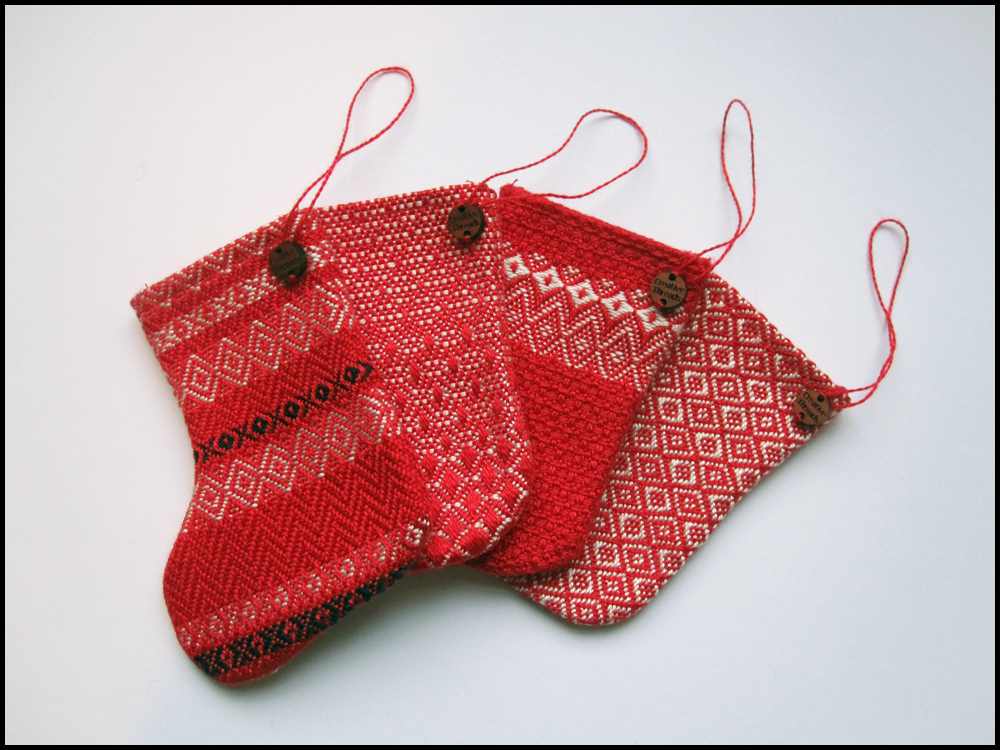
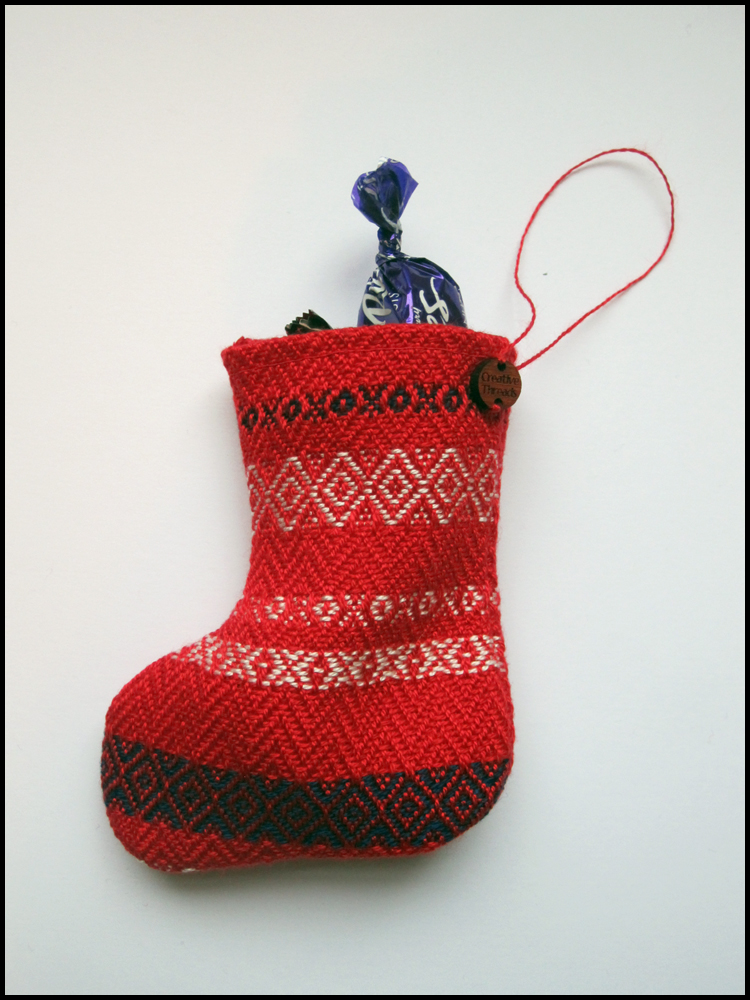

This year I have been making Christmas Stockings. Christmas jumpers have become very popular and I love the patterned ones, so this is where my inspiration has come from. I have weaving with twills and Christmas colours.
I have been weaving christmas inspired fabric, ready to make decorations from.
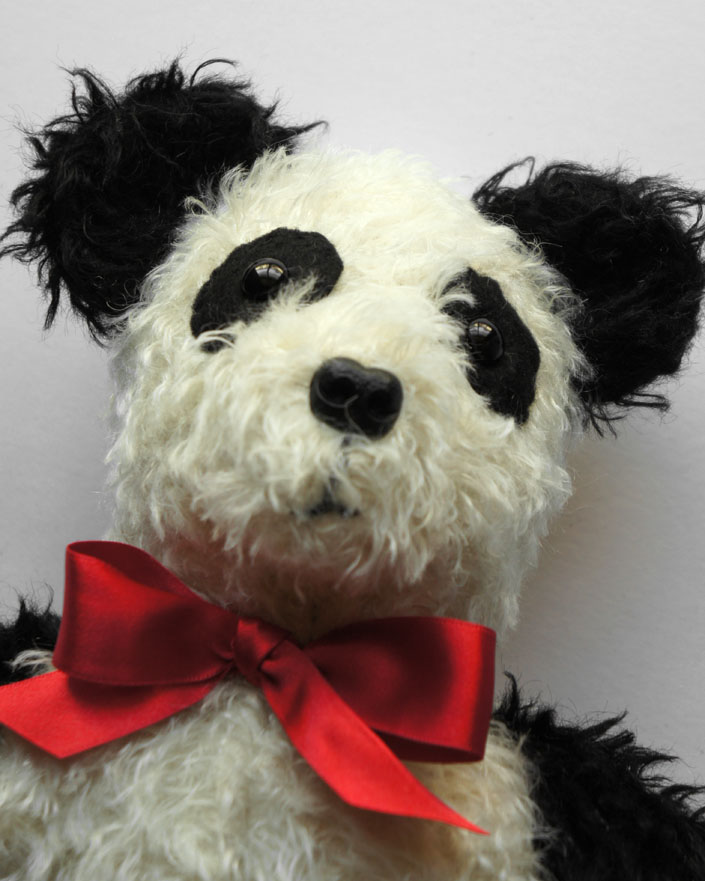
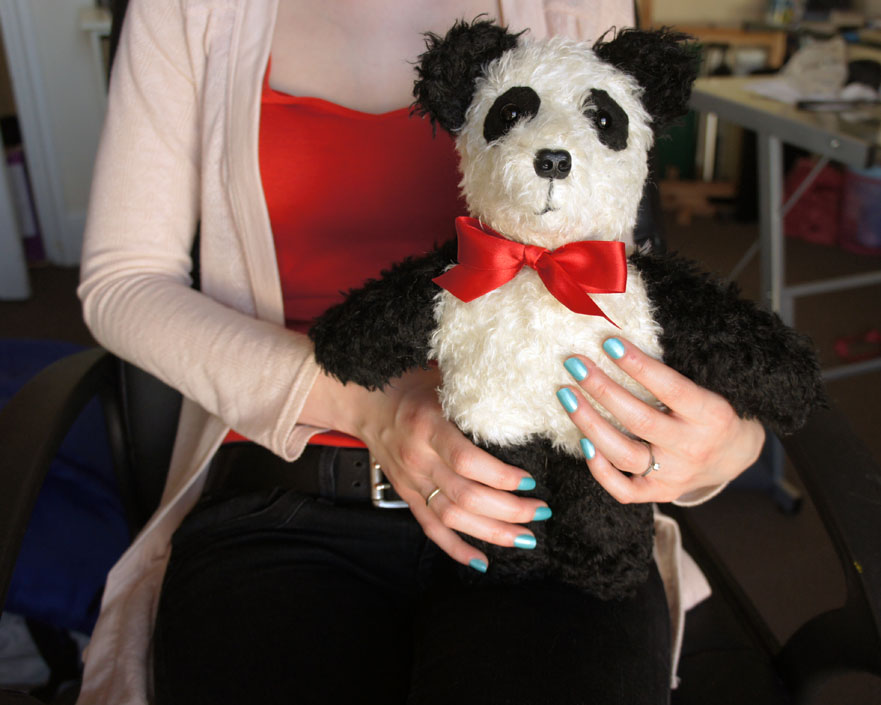
This is a panda bear that I was asked to make by a gentleman who wanted something special for his wife for their anniversary. He wanted me to make a bear just like on his wife had as a child. After receiving lots of information about what he would like the bear to look like I set about finding fabrics and fillings that would work. The look of the bear is obviously important, but just as important is the feel of the bear, how smooth or messy the fur is, how squishy or firm it is, the hugability and tactile qualities all need to be carefully considered. These things will also help determine the personality of each bear I make. If I get the feel wrong, a bear just wont work. I chose soft, messy fur to give it an old feel, as though it had been around for years. I also used poly fibre for the filling and used enough to make him firm, lots of old bears like this were firm but light.
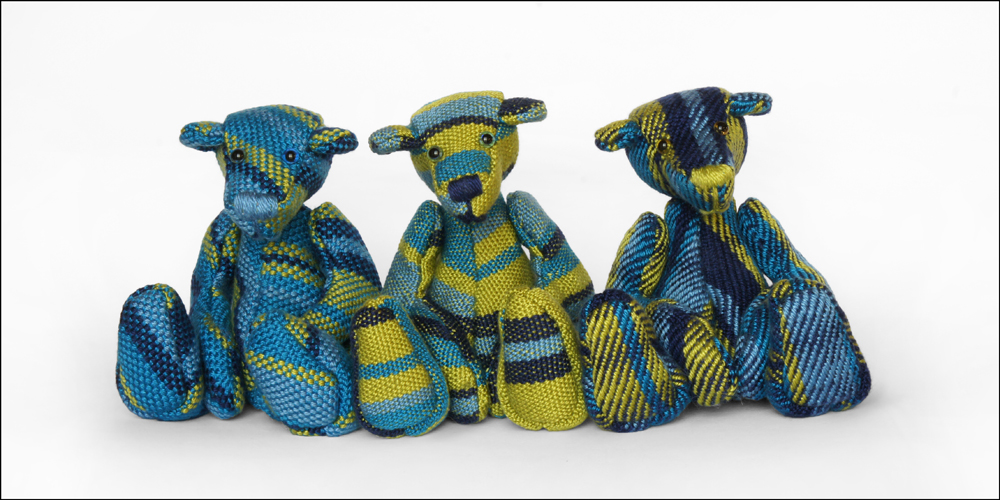
These three bears were made as a mini collection. They are all made from Tencel and use the same warp; different structures in the weave give each bear it’s individual character. I have also cut out the pattern pieces at different angles to further add to the variation between each bear. I think they sit well together, each bear having very different colour proportions. Each bear has been filled with glass beads, I prefer this filling to poly fibre because it gives the bears weight, meaning the sit well.
When I think of tartan I think of a coloured cloth, where the colour is in horizontal and vertical bands, causing areas of mixed colours. After taking on a commission in which the customer wanted a tartan pattern I decided I should probably gain more information about the colour, structure and pattern of tartan. If I could find out the ‘rules’ for traditional tartan I could then create a contemporary fabric using traditional ideas.
I found that originally tartan was woven using wool and did not have to be patterned at all. . In 1746 tartan was banned by the government in order to attempt to get rid of the Gaelic culture, although this ban was lifted in 1782. When there was colour the yarn was dyed using natural dyes, therefore the tartan was associated with a region or district, rather than a Scottish clan or family. It wasn’t until the middle of the nineteenth century that these tartans started to be associated with particular clans.
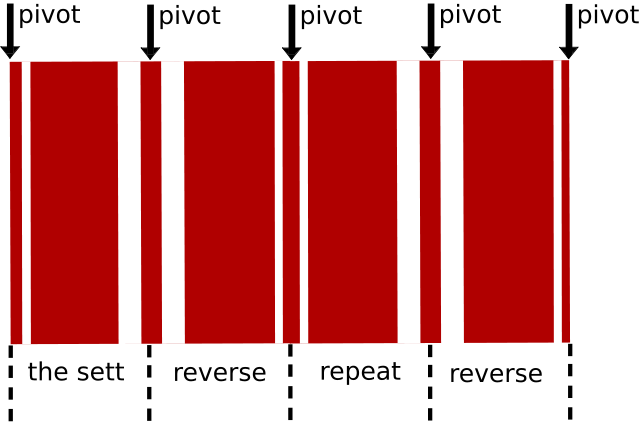
When I first started looking at tartans I saw that the all follow the same format. The diagram shows the construction of tartan. There is a sett, which is repeated and reversed throughout the cloth at certain pivot points. It doesn’t particularly matter on the structure of the original sett, as long as the regular pivots are used it will be a tartan. The weft is woven using exactly the construction as the warp.
http://en.wikipedia.org/wiki/Tartan
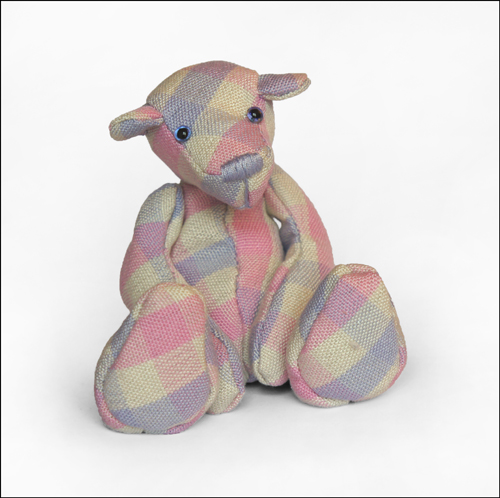
This is Tilly. She is made from mercerised cotton in subtle pink, purple and white. The check and plain weave mean the colours mix at regular intervals. I chose to place the teddy bear pattern pieces on the fabric at a 45 degree angle so that I didn’t have string verticals/horizontals, it helps create a soft feel. The glass beads inside create a good weight and firm texture.